What Nobody Tells You About Wedding Photography Pricing
Wedding photography looks like a straightforward transaction from the outside — you pay, you get photos — but inside the industry, a handful of business practices spark real, ongoing disagreement. Here are the debates that come up again and again, and where we actually land on each one.
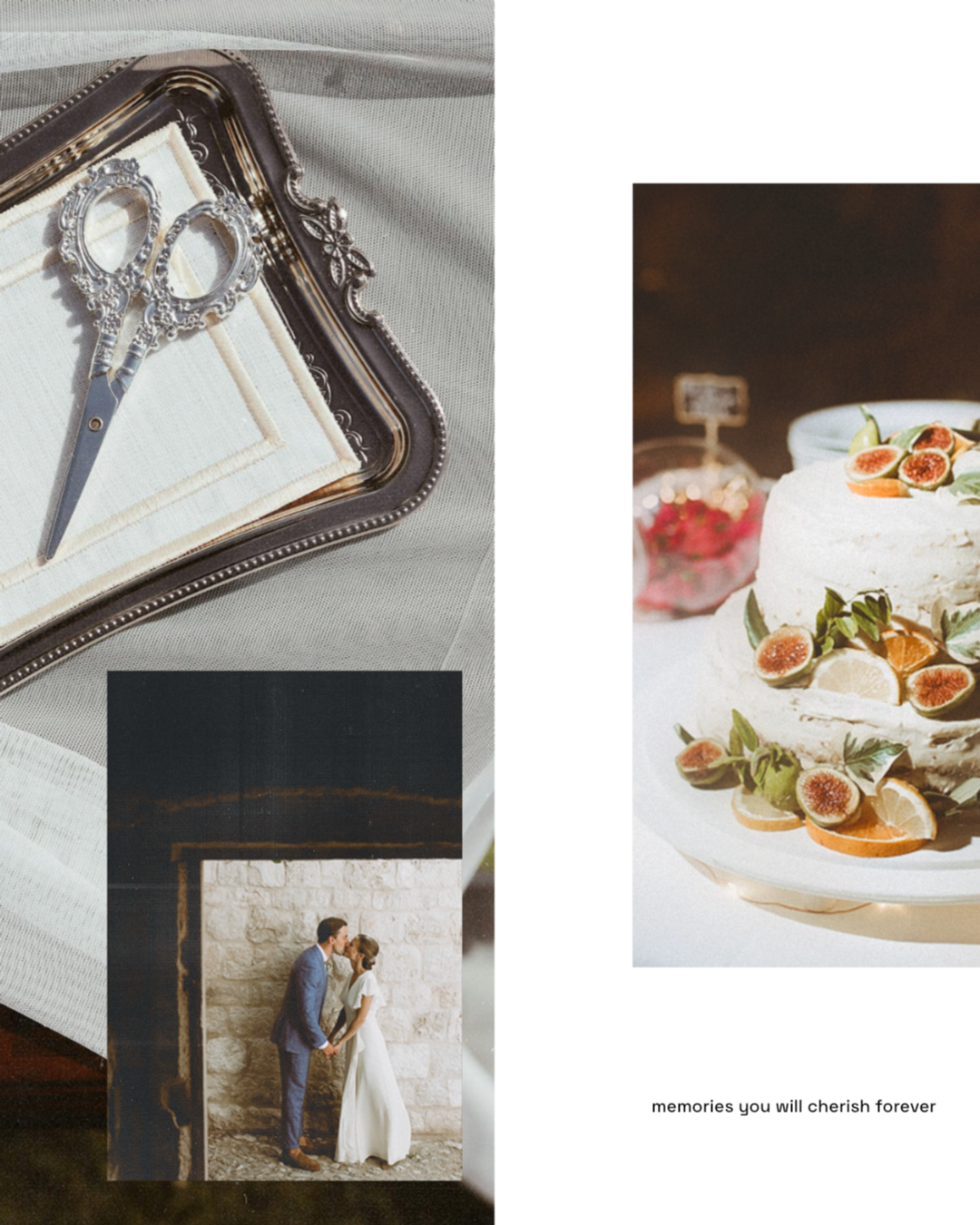
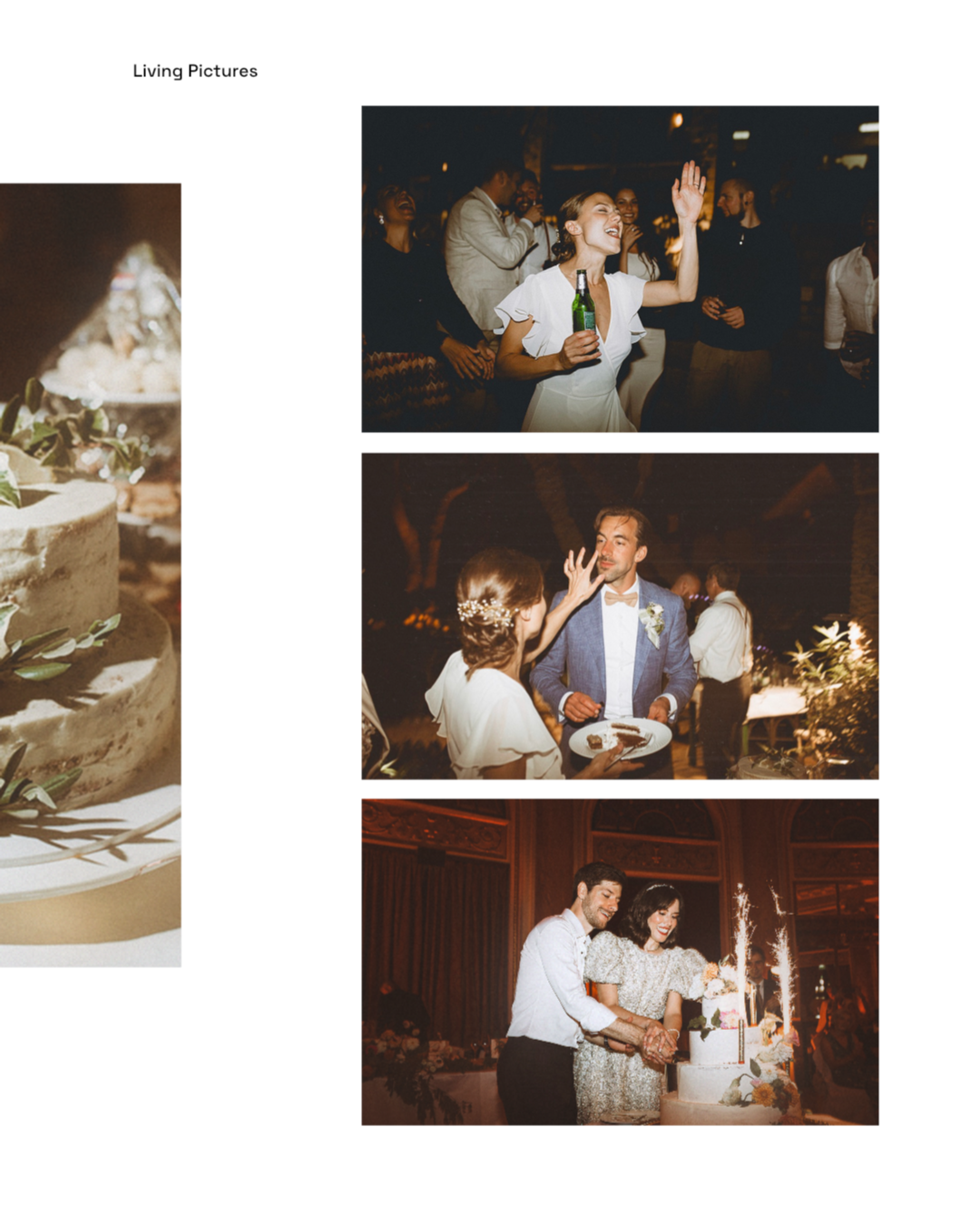
Full Album and Print Rights: Included, or Sold Separately?
The debate: Some photographers include full digital rights and printing permissions in every package. Others treat rights as a separate, paid tier — you get a smaller set of images or watermarked previews unless you pay more to "unlock" full access, prints, or an album. Photographers on the sold-separately side argue it protects the value of their work and creates a natural upsell path; photographers on the included side argue that a couple who paid for a wedding day should walk away owning what was captured on it.
Where we land: We include full print and digital rights in every package, full stop. Our thinking is simple: if you feel like you're being upsold on your own wedding photos after the fact, something about the original pricing wasn't honest. Tell a couple the price, tell them exactly what's included, and give them everything you shot. We don't think couples should have to pay twice to actually own their wedding day.
The one place this genuinely shifts for us is commercial use — a couple (or one partner) using wedding images to promote a business, a brand, or in a context where the photos are generating revenue for them. That's a different situation than a couple wanting their own memories, and it's reasonable for a photographer to price commercial licensing separately in that case. But personal use, prints, albums, sharing with family — that should just be included.
Are Ultra-Cheap Photographers Hurting the Industry?
The debate: When a photographer prices a full wedding day well below market rate, does that undercut photographers charging appropriately for their time and skill, or is it just the natural bottom of a competitive market — every industry has entry-level pricing.
Where we land: This comes down to understanding what you're actually paying for, and being realistic about what different price points in the Bay Area actually represent.
Roughly, here's how full-day (around 8 hours) wedding photography pricing tends to break down in this market:
Luxury tier: $5,000–$10,000+. Highly experienced photographers, often with a long portfolio, strong demand, and a full support system behind the shoot.
Market rate: $4,000–$5,000. Experienced, professional photographers charging what a full day of skilled work, editing, and business overhead actually costs.
Below that for a full day of coverage is genuinely inexpensive — and it usually means the photographer is still early in their career, which isn't a bad thing in itself, but it's worth understanding what that price point can and can't include.
Under $1,000 for a full wedding day is a real red flag. At that price, the photographer likely doesn't have the experience to be charging for their own coverage at all — they should be working as a second or associate shooter to build that experience first, not leading a wedding solo.
We think that last point matters enough to explain properly, because "second shooter" gets used loosely. A real second or associate shooter is being trained under a lead photographer — they're still getting paid for their time, but the arrangement is structured as practice, not an independent business. Those images aren't going into the associate's own portfolio, and they're not meant to; the point is learning how a lead photographer runs a day, getting familiar with venues, timing, and the actual flow of a wedding, while the lead photographer takes the shots that matter and remains responsible for the final gallery. That's a completely different thing from someone charging under $1,000 to lead and deliver a full wedding entirely on their own.
At Living Pictures, that's exactly the path our team came up through — each of us shot 50+ weddings as second and associate shooters, training under a lead photographer, before taking on our own weddings, and some of us still second shoot on top of leading our own. That apprenticeship is where you actually learn how to run a wedding day, not just how to take a good photo. A photographer charging under $1,000 to lead a full wedding solo almost certainly hasn't gone through that — and a couple paying that price is often unknowingly getting someone's first solo wedding, with none of the safety net that experience provides.
None of this means cheap is inherently bad — it means a couple should understand what a given price point realistically represents before booking, the same way you'd think about buying anything unusually cheap: if it looks too good to be true relative to what's being promised, it probably is.
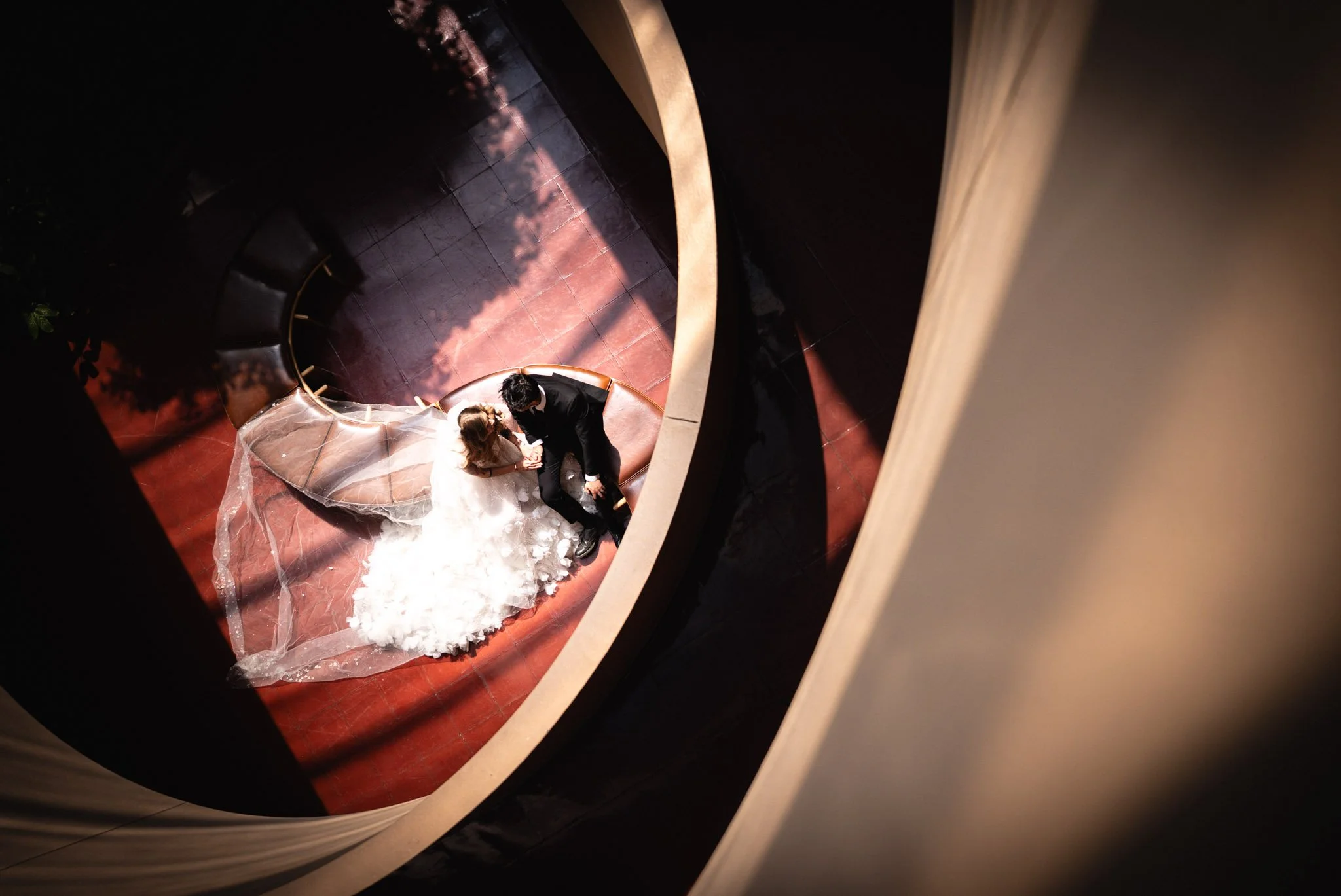
© Living Pictures
Non-Negotiable Retainers and No-Refund Policies
The debate: Most photographers require a non-refundable retainer to hold a date, and many contracts have strict no-refund terms even when couples cancel or reschedule. Is that standard, reasonable business protection, or does it leave couples with no recourse when plans change?
Where we land: Our retainer is non-refundable, and we think that's simply logical, not harsh. People cancel and change plans more often than couples researching photographers might expect, and a business can't be run on the assumption that everyone follows through. Once a date is booked, we turn away every other inquiry for that day — that's real income we're no longer available for, whether or not the wedding ends up happening.
And the retainer isn't payment for the shoot itself — the actual photography is only one part of what goes into a booking. By the time a couple cancels, we've usually already done the consultation, answered questions, held the date on our calendar, and the couple found us through marketing we invested in to be discoverable in the first place. All of that work and cost happens before a single photo is taken. A non-refundable retainer reflects that reality: it asks couples to be genuinely serious about their booking, the same way any significant investment requires commitment up front.
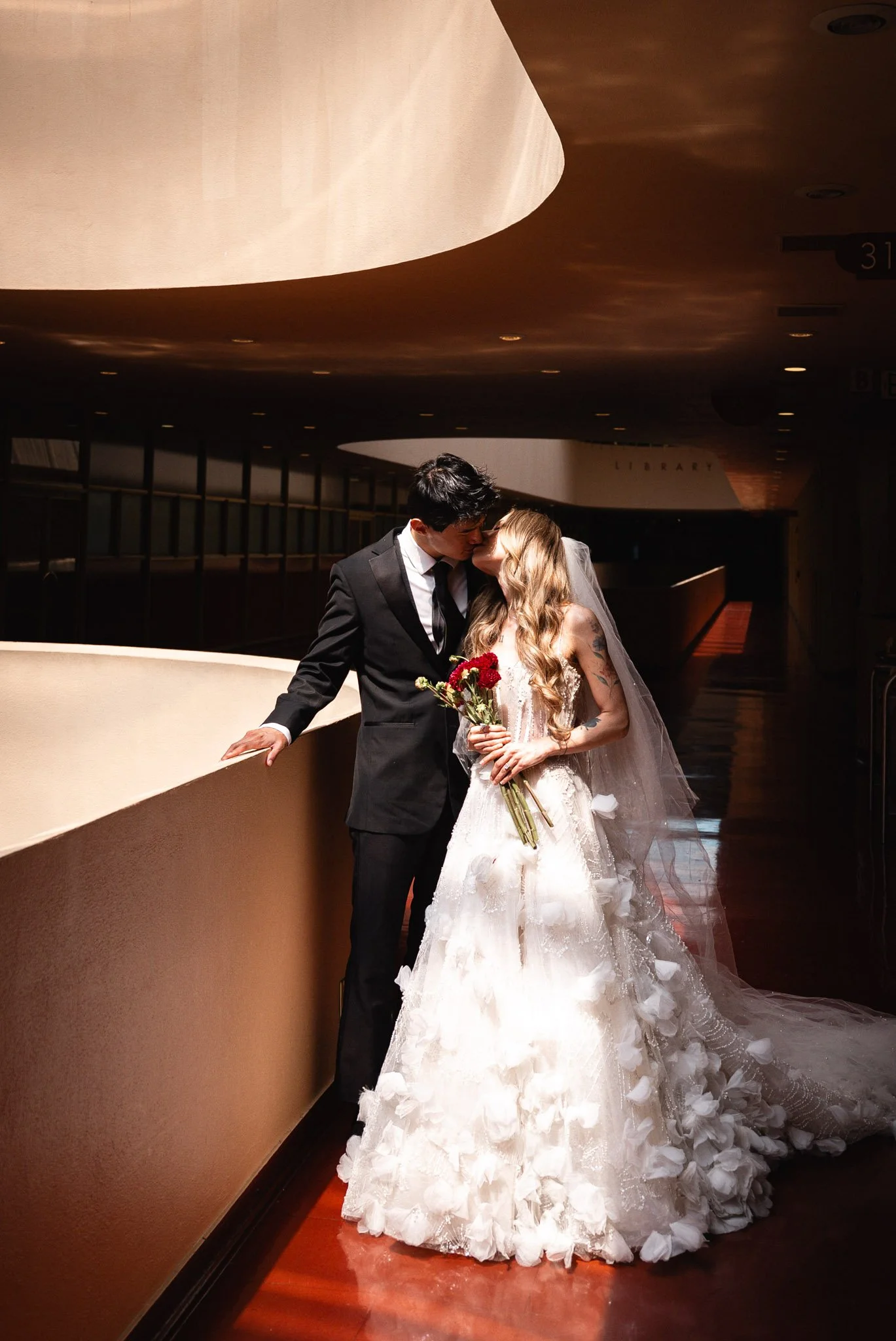
© Living Pictures
AI Editing Tools: Efficiency or a Slippery Slope?
The debate: AI-assisted culling, sky replacement, background cleanup, and even AI-generated "enhancement" tools are increasingly common in wedding editing workflows. Some photographers see this as a natural evolution — the same as any editing tool before it. Others argue it crosses into misrepresenting what was actually captured on the day.
Where we land: We're fully in favor of using AI to speed up retouching — it's a workflow tool, not a shortcut on quality, and it lets us spend more time on the parts of editing that actually require a human eye. What we'd push back on is the assumption that AI-assisted editing should mean a lower price. AI tools aren't free — most run on paid, usage-based credits, and those costs add up fast at the volume a wedding gallery requires. Using AI to work more efficiently doesn't mean the service got cheaper to provide; it often just shifts where the cost is going.
Where the real controversy sits industry-wide isn't efficiency tools like culling or noise reduction — those are broadly accepted. It's tools that change what's actually in the frame: swapping in a different sky, generating details that weren't photographed, or fabricating moments. That's the point where most photographers agree it stops being editing and starts being fabrication, regardless of how good the technology gets.
As Living Pictures, a documentary wedding photography team based in San Francisco, we think about pricing and business practices the same way we think about editing: transparency first. Our team — Barbara, Ana, JJ, and Shaylyn — believes in telling couples exactly what they're getting, including full rights to their own photos, and building a business people can trust rather than one that depends on surprise upsells.
See our packages and pricing — full print and digital rights included on every package. Our 2-hour City Hall package starts at $1,000, with full-day wedding coverage priced at market rate for the experience behind it.
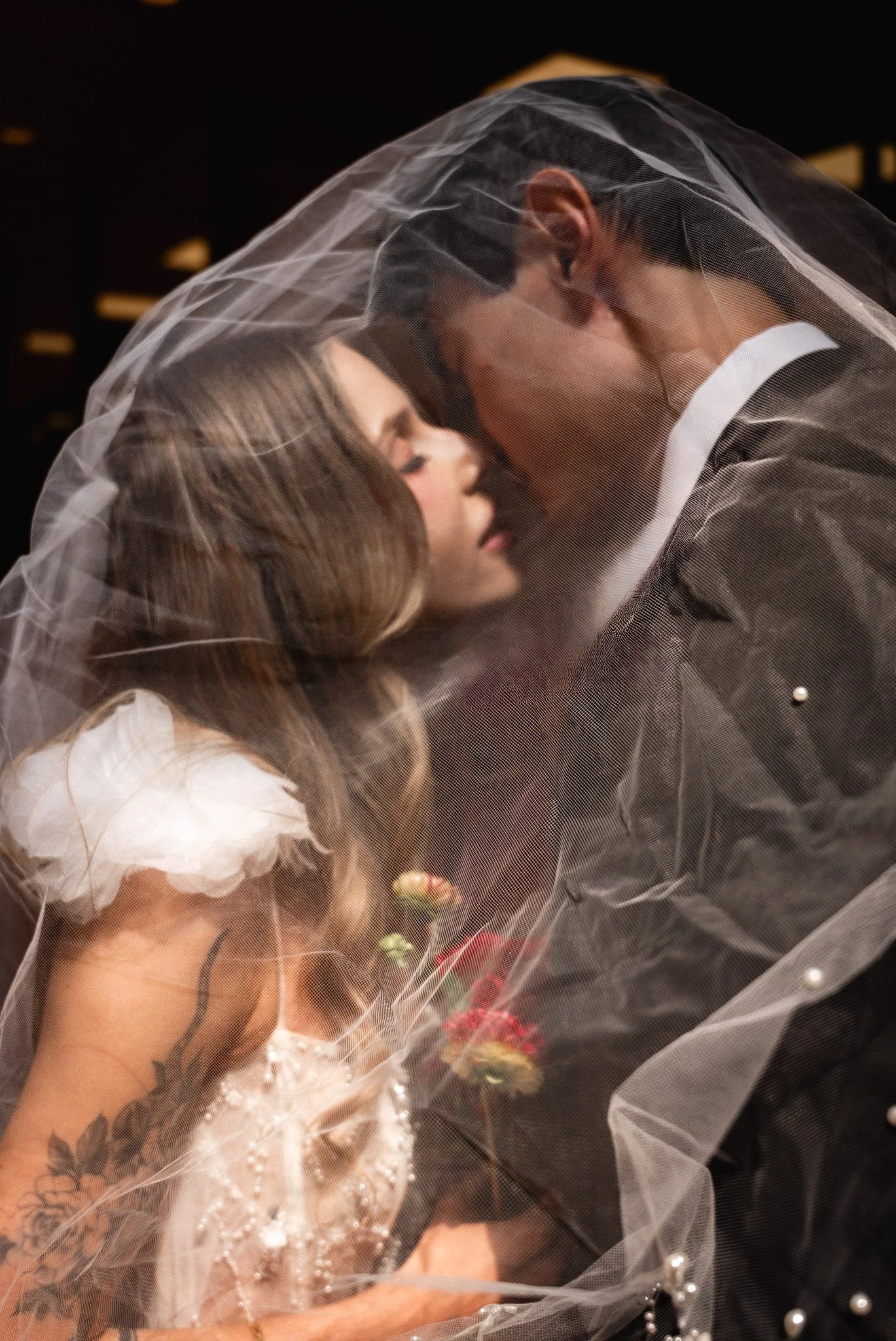
© Living Pictures
Frequently Asked Questions
Should wedding photography packages include full print and digital rights? We believe so, and it's our policy — couples should own the memories from their own wedding day without paying extra to unlock them. Commercial use is a reasonable exception to charge separately for.
Is it bad to hire a cheap wedding photographer? Not inherently, but understand what the price represents. In the Bay Area, roughly $4,000–$5,000 is market rate for a full day, $5,000–$10,000+ is the luxury tier, and anything under $1,000 for full-day solo coverage usually means the photographer doesn't yet have the experience to be leading a wedding on their own.
Are non-refundable wedding photography retainers normal? Yes, and ours is non-refundable. Booking a date means turning away other work, and by the time a couple cancels, the consultation, calendar hold, and marketing that led them to us have already happened — the retainer reflects all of that, not just the shoot itself.
Is it okay for a wedding photographer to use AI editing tools? We think so — we use AI to speed up retouching. It's worth knowing AI tools run on paid, usage-based credits, so using AI doesn't mean editing got free; it shifts where the cost goes. The real controversy is tools that change what's actually in the frame, like swapping skies or generating details that weren't photographed — that's where most photographers agree it crosses into misrepresenting the day.